Certified Dog & Puppy Trainers Servicing Valencia, Stevenson Ranch, Newhall, Saugus, Canyon Country, & Castaic
Santa Clarita puppy training guide
Early Puppy Socialization
Socialization is not a one time, short term experience. It is the ongoing process of helping your puppy meet the people, dogs, animals, places and sounds of everyday life, so your dog grows up calm, confident and well behaved anywhere in the Santa Clarita Valley.
What Is Puppy Socialization?
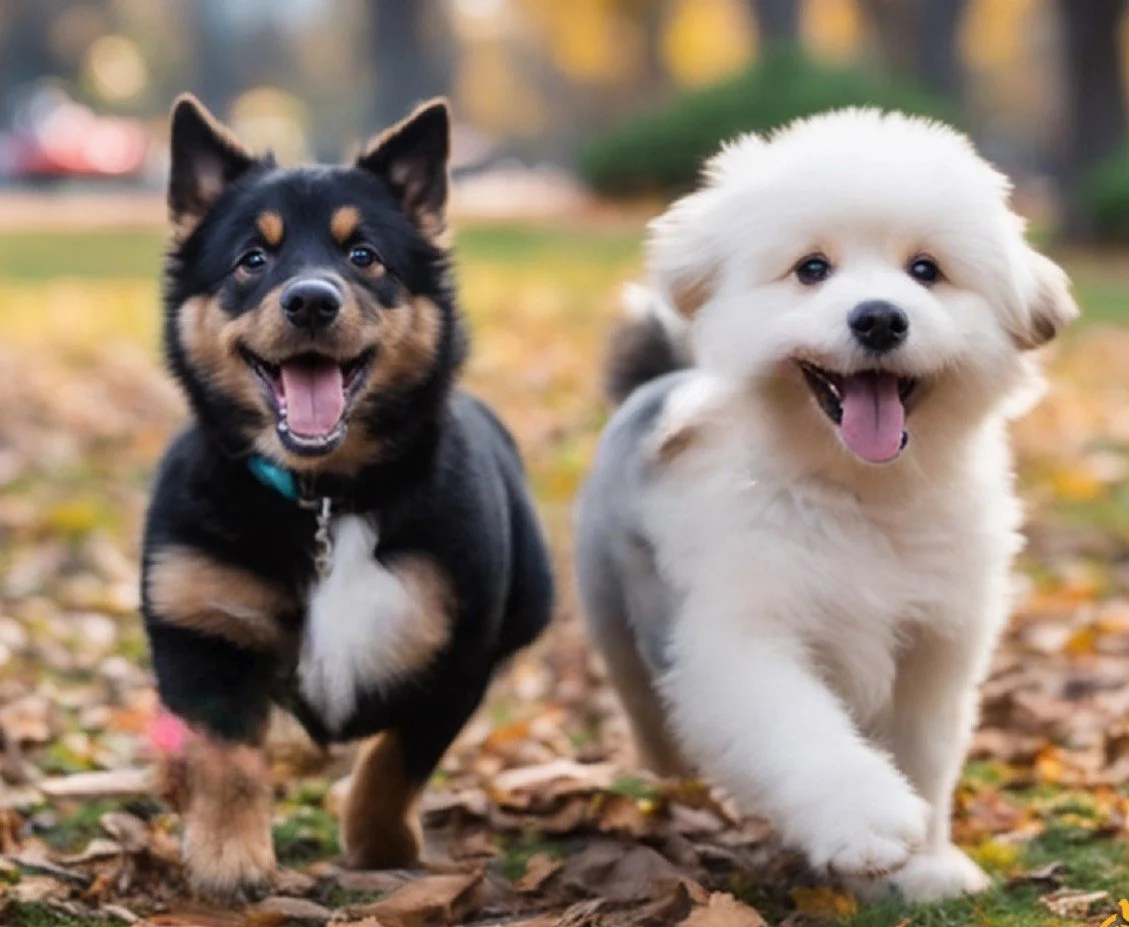
Puppy socialization is the planned, repeated exposure of a young dog to everything it will meet as an adult. That includes strangers and children, other dogs, cats and farm animals, cars and crowds, and new floors, sounds and smells. Good socialization is continuous. It happens on a recurring basis, with many kinds of distractions, for the whole life of the dog.
The goal of socialization is a dog that acts appropriately around people, around other animals, and in the many public and private situations of human life. A dog is not truly well socialized until it can stay confident and relaxed as its environment changes. A puppy that is happy at home but panics at the vet, hides from visitors or lunges at other dogs on a walk still has socialization work to do.
A mentally balanced dog that adapts easily to new places does not happen by accident. Early puppy socialization takes a plan, short and positive practice sessions, and a handler who stays calm and confident.
Why Is Puppy Socialization So Important?
Puppies are most open to new experiences in their first three months. As that window closes, anything a puppy has not yet met is more likely to be met with caution or fear. By the time a puppy is four or five months old, teaching it to like something new becomes much harder, and sometimes a fear never fully goes away.
Dogs that are uncomfortable or frightened in their daily environments are more likely to develop behavior problems such as separation anxiety, fear aggression, excessive barking, and obsessive or neurotic behaviors. Ongoing stress can also lead to health-related issues. Behavior problems are one of the most common reasons dogs are given up to shelters, so early socialization is one of the kindest things you can do for your puppy.
Many owners wait until every vaccination is finished before socializing their puppy. Veterinary behavior experts warn that by then, the best window has already passed. With commonsense precautions, such as avoiding dog parks and choosing a well run, indoor puppy class where every puppy is vaccinated, the risk of illness is small compared with the risk of lifelong fear and aggression.
Critical Periods in Puppy Development
There are well defined critical periods as a dog grows from puppy to adult. Experiences during these periods shape behaviors and attitudes that last the rest of the dog’s life.
| Age | What is happening | Your focus |
|---|---|---|
| 8 to 12 weeks | Puppies bond with people and soak up new experiences quickly. | Gentle, happy introductions to people, handling, sounds and surfaces. |
| 12 to 16 weeks | The most critical socialization period. Fears formed now are the hardest to correct later. | Daily short outings, puppy class, and many new people and places. |
| 4 to 6 months | A sensitive period. Some confident puppies suddenly act shy. | Keep socializing. Stay calm and avoid forcing scary situations. |
| 8 to 10 months | Adolescence. Testing limits and a possible fear phase. | Group obedience classes and steady, upbeat practice in public. |
| 16 to 20 months | Some dogs, especially larger breeds, show a late fear period. | Revisit old exposures and keep training consistent. |
Every dog is different. Genetics and earlier experiences affect how sensitive each puppy is, so use these ages as a guide rather than a strict timeline.
How to Plan Socialization: Distance, Duration, Difficulty and Distraction
As in any dog training, four factors should be mixed and matched every time you introduce your puppy to something new:
Distance
How far your puppy is from the new thing. Start far away, where your puppy stays relaxed, then move closer.
Duration
How long the exposure lasts. Keep early sessions short and end while your puppy is still happy.
Degree of Difficulty
How challenging the situation is for this puppy. Begin easy and build up.
Distraction Level
How much noise, movement and activity is around. Add distractions gradually.
Example: Socializing Your Puppy to Traffic
Say you want your puppy comfortable with heavy traffic, honking horns and loud mufflers. Drive to a large, busy shopping center parking lot and park at the far end, away from the traffic (distance). Let your puppy watch, then over several visits work gradually closer and stay a little longer (duration). Watch for the first signs of worry (degree of difficulty). That point shows you where the noise and movement (distraction) become more than your puppy can handle calmly.
At that moment, socialization has moved from simple exposure to training for that situation. Back up to where your puppy is comfortable, reward calm behavior, and try again another day. Missing this change from exposure to training is one of the most common reasons socialization fails and unwanted behaviors develop.
Stay Calm: Your Puppy Takes Its Cues From You
When your puppy meets something that could be frightening, the most important thing you can do is stay calm and confident. A tight leash, a worried voice, or letting your puppy drag you away from something scary all tell your puppy that you are not in charge and that the situation really is dangerous. Socialization can quickly turn into fear reinforcement, and repeated fear can grow into fear aggression.
Distract, Redirect, Train
If your puppy acts shy or fearful, whether you expected it or not, do not coddle or soothe the fear with lots of petting and baby talk. Instead, keep your normal, upbeat tone and follow three steps:
- Distract: break your puppy’s focus with a cheerful sound, a treat or a quick turn.
- Redirect: give your puppy something easy to do instead, such as a sit or a hand target.
- Train: reward the calm behavior, then work at a comfortable distance until the situation is no big deal.
Keep a Puppy Socialization Checklist
Keeping a record of the people, dogs, animals and places your puppy has met is one of the best ways to build a well rounded socialization program. A simple table shows what you have done, what still needs work, and how long it has been since you practiced each item. Here is a starter checklist:
| People | Other dogs | Other animals | Environments | Sounds and objects |
|---|---|---|---|---|
| Men with beards | Calm adult dogs | Cats | Pet stores | Vacuum cleaner |
| Children and toddlers | Puppies in class | Horses | Shopping center parking lots | Doorbell and knocking |
| Teenagers | Small breeds | Chickens and ducks | Elevators and stairs | Skateboards and bikes |
| Seniors with canes or walkers | Large breeds | Rabbits | Tile, gravel and grass | Umbrellas opening |
| People in hats, glasses and uniforms | Dogs of many ages | Birds and fish | Car rides and the vet | Traffic and sirens |
Revisit every item regularly. Socialization skills that are not practiced fade over time.
People
People and dogs get along best when each respects the other. Unfortunately, many people don’t know how to greet a dog politely, so your puppy has to learn to cope. It must handle tall strangers who lean over it, loud voices, rough pats, and small children who move suddenly.
Help your puppy feel calm and confident around men, women, young children, teenagers and the elderly, and around people of every size, look and style of dress. Include people wearing hats, glasses, hoods, thick jackets and uniforms, men with beards, and people using walkers, canes, wheelchairs or umbrellas. Ask friends and family to help stage short, happy meetings, and pair each one with treats.
Other Dogs
Learning to get along with other dogs is a key part of puppy socialization. A common and risky mistake is assuming a puppy will get along with every dog because it plays well with one or two at home.
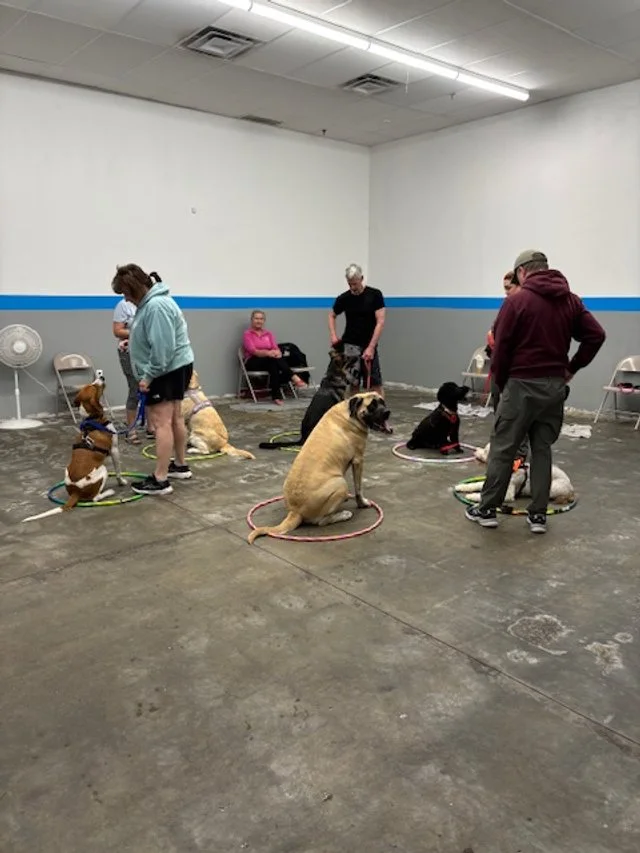
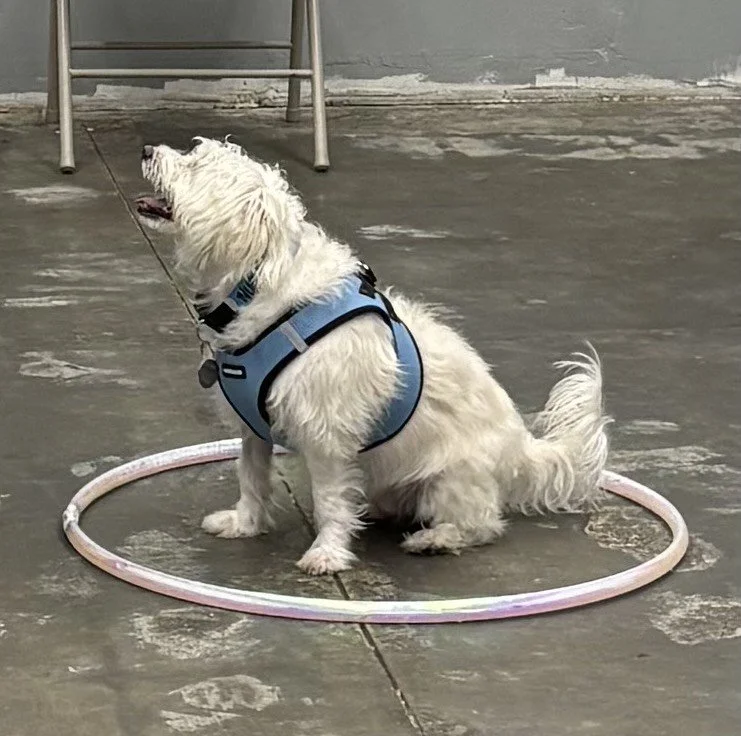
Dog parks are not recommended for young puppies. The mix of untrained dogs, on and off leash, makes a bad experience much more likely. On walks, if another dog is pulling ahead or on a tight leash, calmly move away. The best place to build canine social skills is a controlled puppy class with big dogs, little dogs, young dogs, and many breeds, led by a trainer who reads dog body language and keeps play safe. Humans can teach obedience, but only other dogs can teach dog-to-dog manners.
Other Animals
Puppies should also meet many other kinds of animals. Pet stores that allow dogs are great places to see birds, fish, cats and small pets, along with new sights and smells. Think about what animals your dog may meet in its lifetime. Around the Santa Clarita Valley, that can include horses on trails, chickens and ducks, rabbits, squirrels and even livestock. Start at a distance and reward calm behavior.
Environment
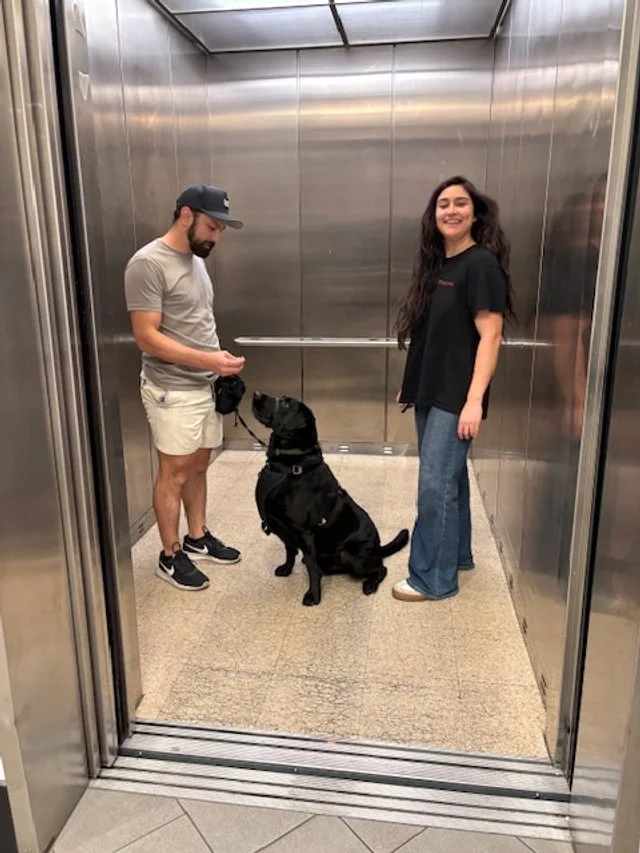
Environmental challenges can be ordinary or unusual. Some dogs refuse to walk on a tile floor, and others are startled by a glass door. A dog’s first elevator ride shouldn’t happen in a crowd. City dogs need trips to the country to meet new sights, smells, animals and textures, and country dogs need short, careful exposure to traffic, crowds and city noise.
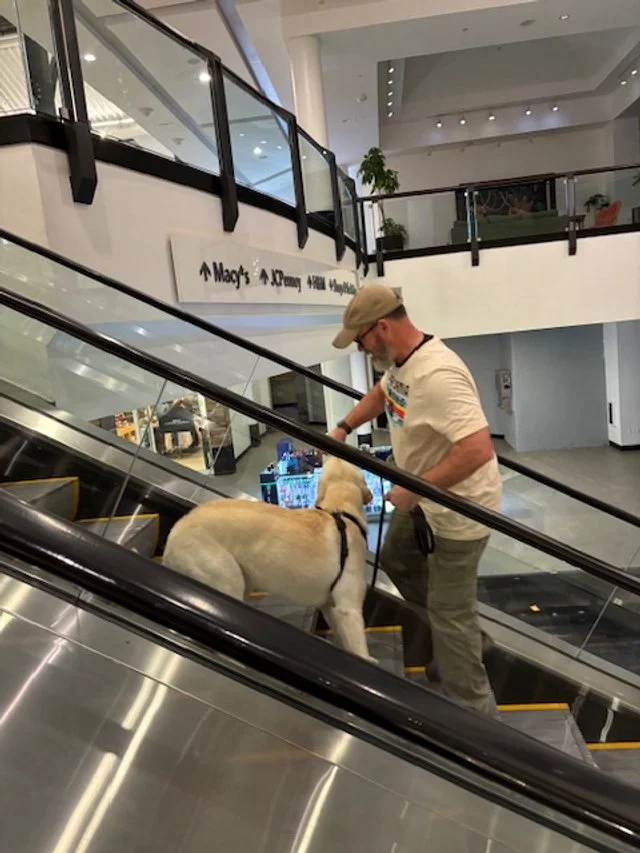
Introduce new places early, and keep the first visits short. Include different noises and visual stimuli such as bright lights, the dark and moving objects. Practice on many walking surfaces too: tile, gravel, dirt, cement, linoleum, grass, wood, stairs, and moving surfaces like elevators and escalators.
A Simple Weekly Puppy Socialization Plan
- Week 1 at home (about 8 weeks): handling paws, ears and mouth; household sounds; a few calm visitors.
- Weeks 2 to 3: short car rides, carried visits to a pet store, meeting vaccinated friendly dogs, and starting puppy class.
- Weeks 4 to 6: new surfaces, parking lots from a distance, children under supervision, and people in hats and uniforms.
- Weeks 7 to 8 and beyond: busier places, longer sessions, other animals, and practicing sit, down and leave it around distractions.
Signs Your Puppy Is Stressed
Slow down and add distance if you see a tucked tail, ears pinned back, lip licking, yawning, whale eye (the whites of the eyes showing), freezing, hiding behind you, or refusing treats.
Two Rules for Every Socialization Outing
- Stay calm and in control. When you show your puppy that you will take care of a normal but unusual situation, your puppy is far less likely to try to handle it with flight or fight.
- Go at your puppy’s pace. Handle each situation according to your puppy’s needs, and introduce stressful or unusual things slowly, with the same confident attitude every time.
Remember that socialization is a lifelong activity. How much to do and when to do it takes judgment, not a fixed formula, and experiences you never revisit will fade.
Puppy Socialization Classes in Santa Clarita
Susann’s Puppy Socialization class meets Tuesday at 5:30 PM and Saturday at 10:30 AM at Pet Supplies Plus, 25658 The Old Road, Stevenson Ranch, for puppies up to 5 to 6 months, any size. Classes cover focus, recall, sit, down, stay, leave it, bite inhibition, leash introduction, house breaking and crate training in a relaxed, supervised setting.
See Puppy Class detailsPuppy Class Policies and Vaccination Guidelines
Puppies must be up to date on vaccinations to attend group classes, and must show no signs of illness. Please bring a copy of your puppy’s vaccination records to the first class.
Adapted from ASPCA guidance on puppy socialization.
Book Dog Training in Santa Clarita
Call, text or email Susann to set up a private in home lesson or reserve a spot in a group class.